
Practical guides to buying in Spain
Taxes, regulations and regional differences: what you want to know before you make an offer. Blog articles from our consultants, based on real purchases.
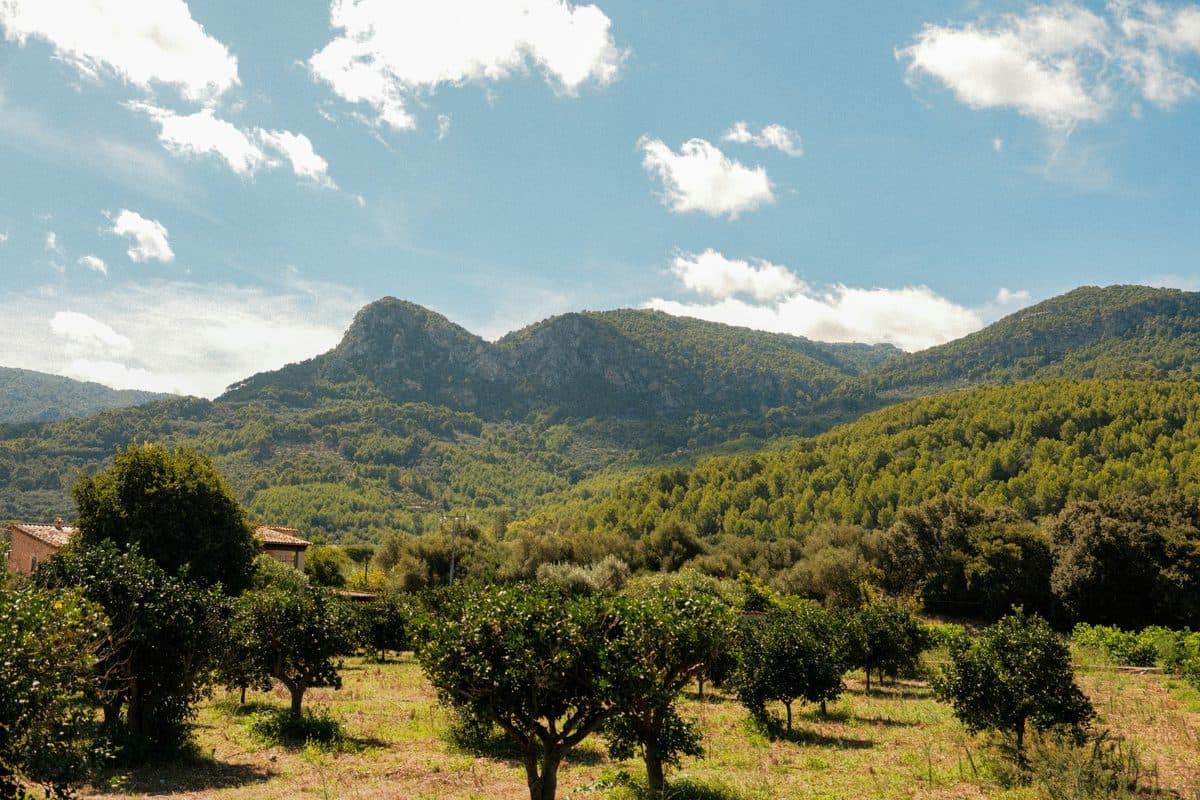
Wildfire risk in Spain: how safe is your future home?
A villa among the pine trees with views over the hills: the kind of home many buyers are looking for, and exactly the kind of place a wildfire can reach. In Spain this transition zone is called the interfaz urbano-forestal. The honest answer: the risk is real, but it depends on location and can be checked for each property in advance. Here is how to do that, how your insurance works and what is expected of you as an owner.
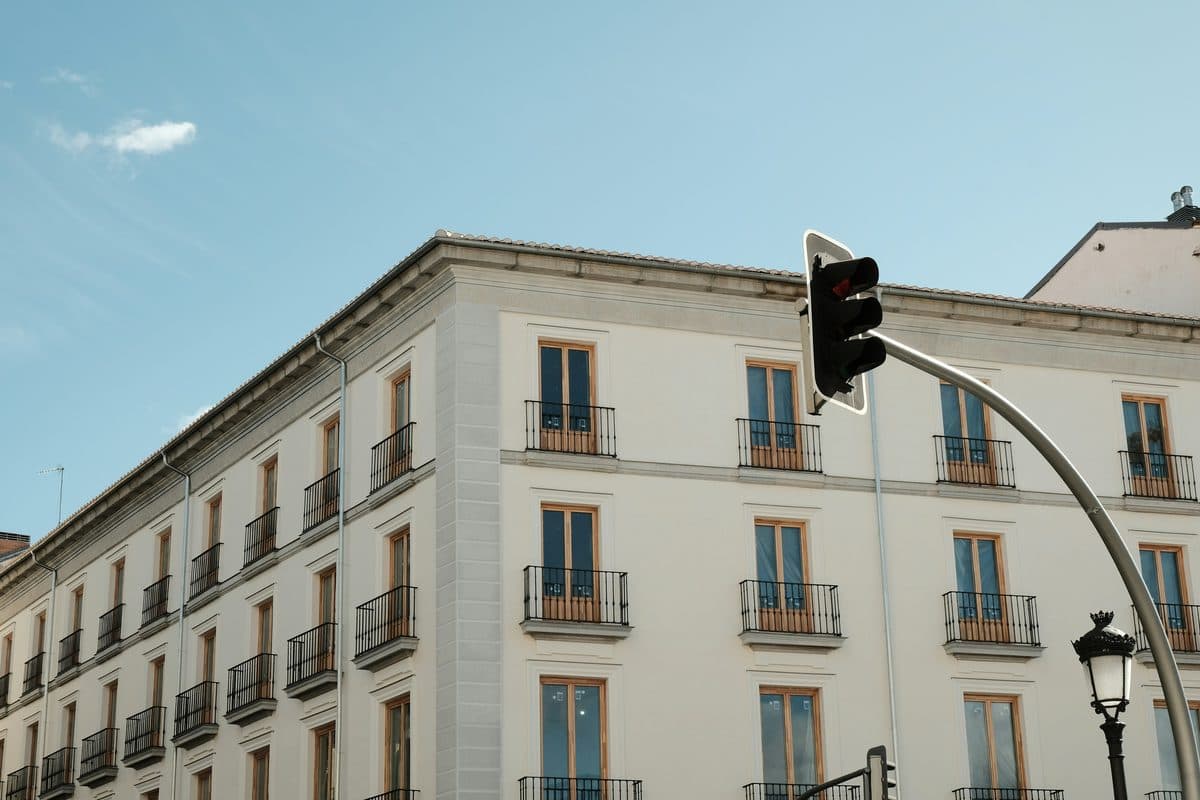
Reserving a home in Spain: the estate agent is asking for €6,000. What should you know?
You have found the home and the estate agent is asking for €6,000 to take it off the market: a reserva (reservation). A reservation like this is a deposit, and whether you get it back depends on what is on paper. So do not transfer the money until it is agreed in writing when you will get it back. Below you can read which types of deposit Spanish law recognises, who to pay and which conditions to include.
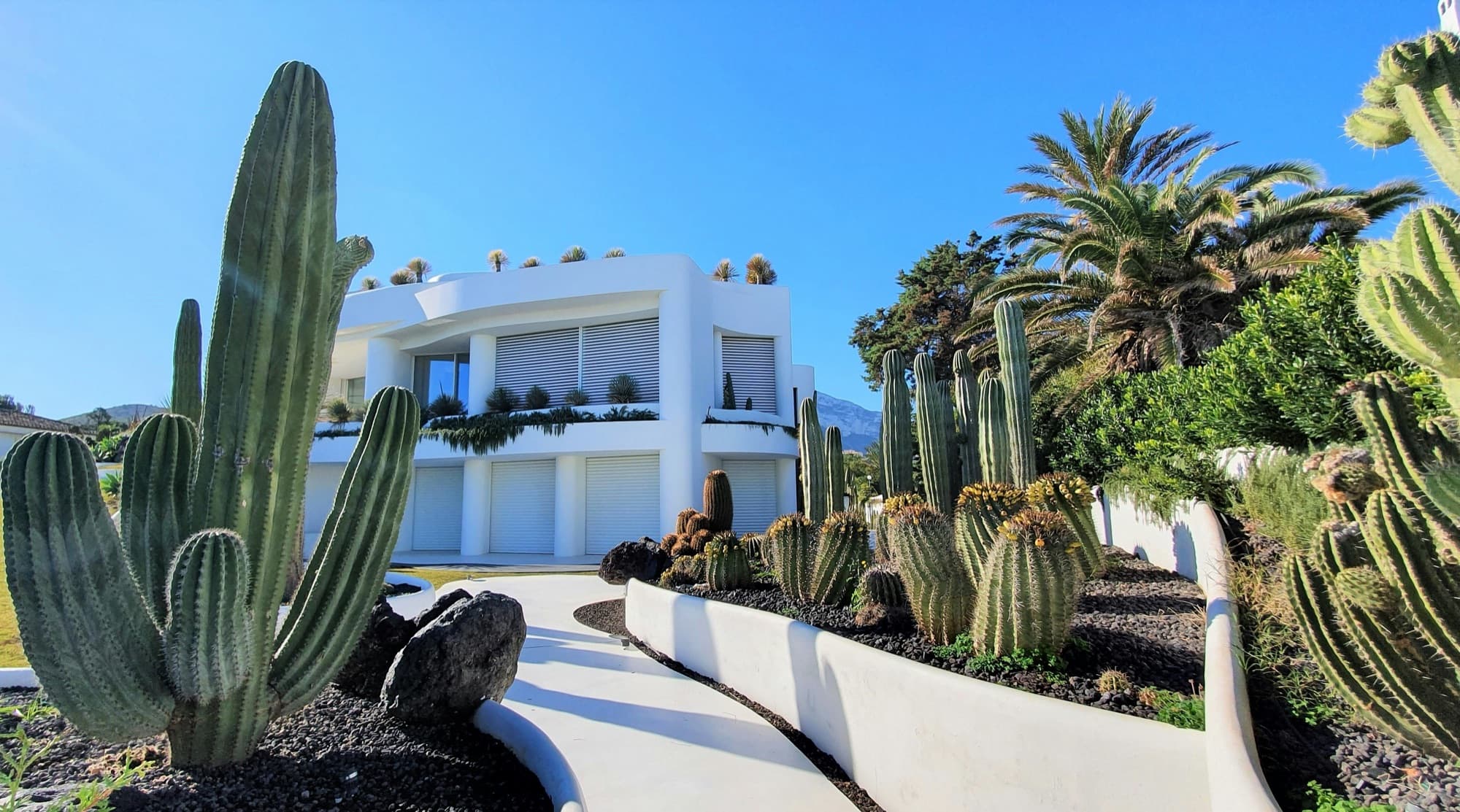
Pool or extension without a licence? How to find out before you buy a house in Spain
A swimming pool, an enclosed terrace or an extra bedroom: Spanish homes often have more built than the paperwork shows. In Spain, work like this is called an obra sin licencia. The honest answer: you find out before your offer by putting three sources side by side, and whether it can be resolved depends on the licence and the land. After the transfer, it becomes your problem, no longer the seller's.

Found a house in Spain? The documents to request before you make an offer
You have found a home and want to make an offer. First request six documents: the nota simple (an extract from the Land Registry), the Catastro details, the latest IBI bill (municipal property tax), the community of owners' debt certificate, the energy certificate and the habitability certificate. Two you can get online yourself; the rest come through the seller. Below you can read what each document tells you, where the red flags are and in which order to tackle them.
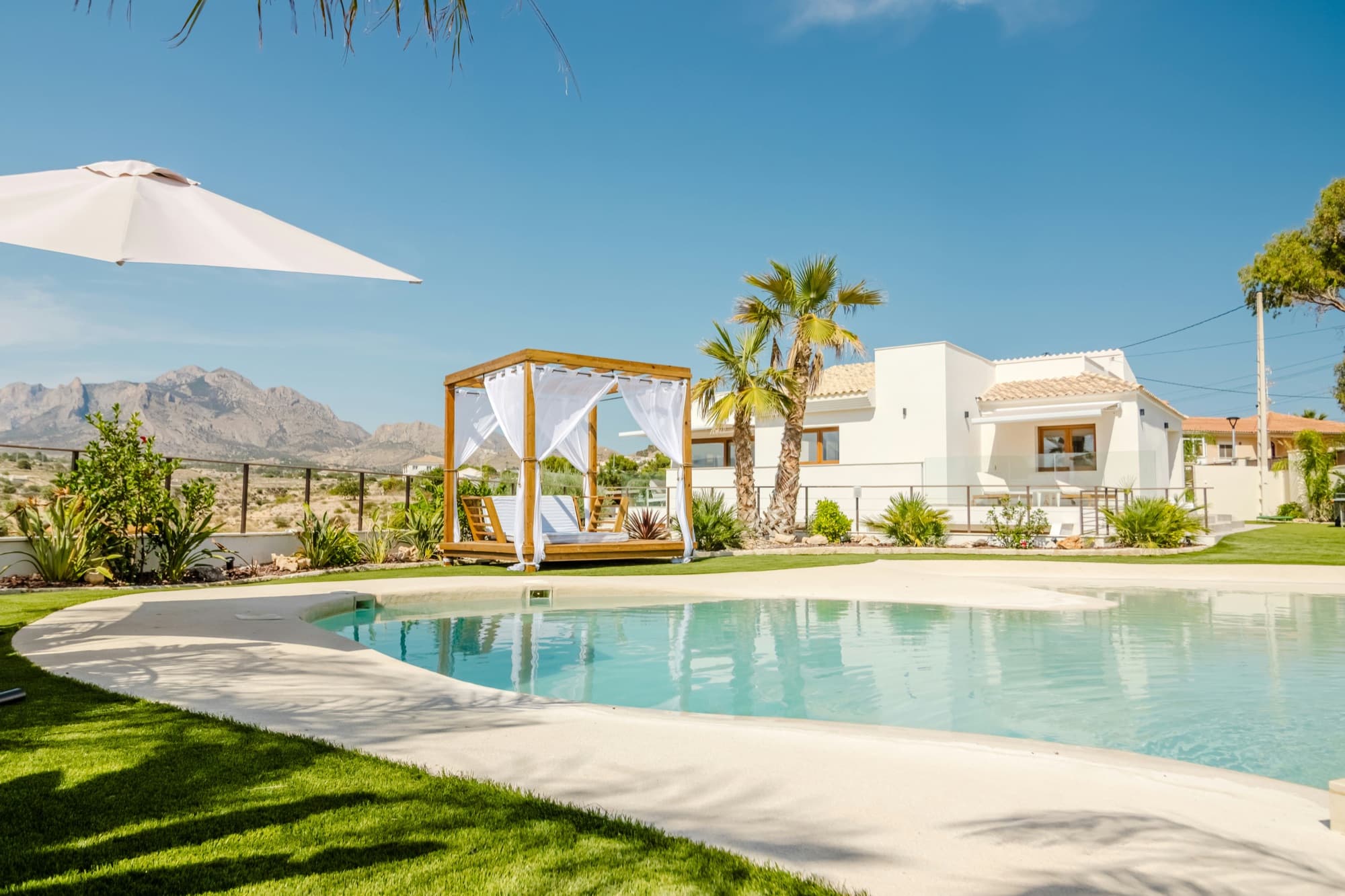
Was that villa in Spain built legally? How to check before you buy
A villa in the countryside behind the coast, beautifully located and properly registered. Yet part of it, or even the whole house, may have been built without a licence: in Spain, a vivienda irregular. The honest answer: it happens regularly, especially on rural land, but you can check it thoroughly before you make an offer. Here is how, and what the status means for your renovation and your rental plans.
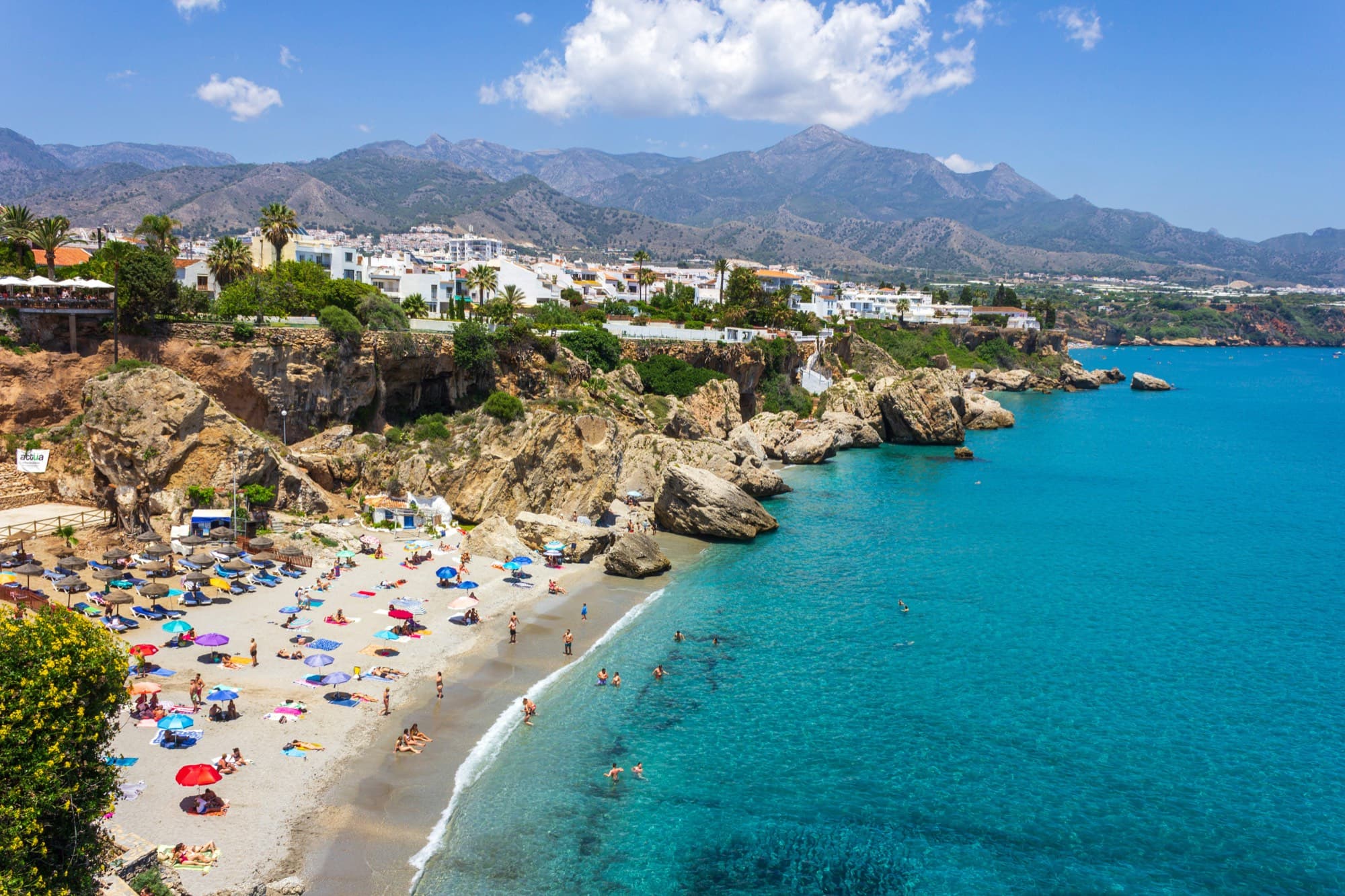
Tourist licence in Spain: can you get one? The answer for almost 100 coastal towns
Can you still get a tourist licence (vivienda de uso turístico) in your coastal town? For anyone applying now, Málaga city, Alicante city, Valencia city and most Catalan resorts are currently closed or almost closed. In the Región de Murcia and much of the Costa del Sol we found no municipal freeze. Below is the short answer for each town, as of October 2026.
Squatters in Spain: how real is the risk, and what can you do about it?
Squatters in your Spanish home while you are back home. In Spain they are called okupas, and it is the fear buyers raise more often than any other. The risk is small but not zero, and it is very unevenly spread. Here is how to check it municipality by municipality, and how to make sure your property is not a target.
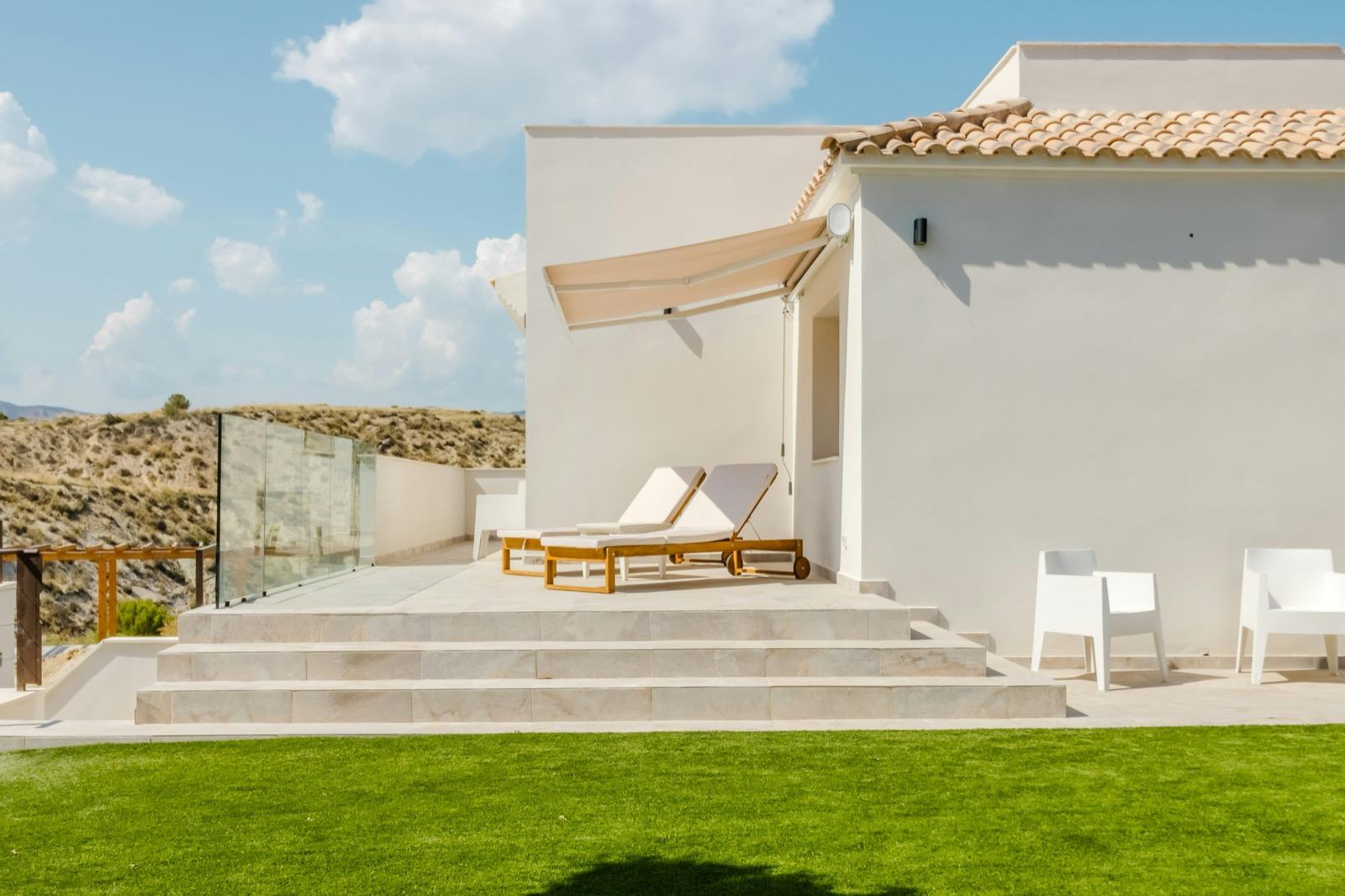
What does it really cost to buy a home in Spain?
The buyer's costs in Spain range from roughly 9% to over 13%. See the rates by region, two worked examples and the pitfalls that catch buyers out.
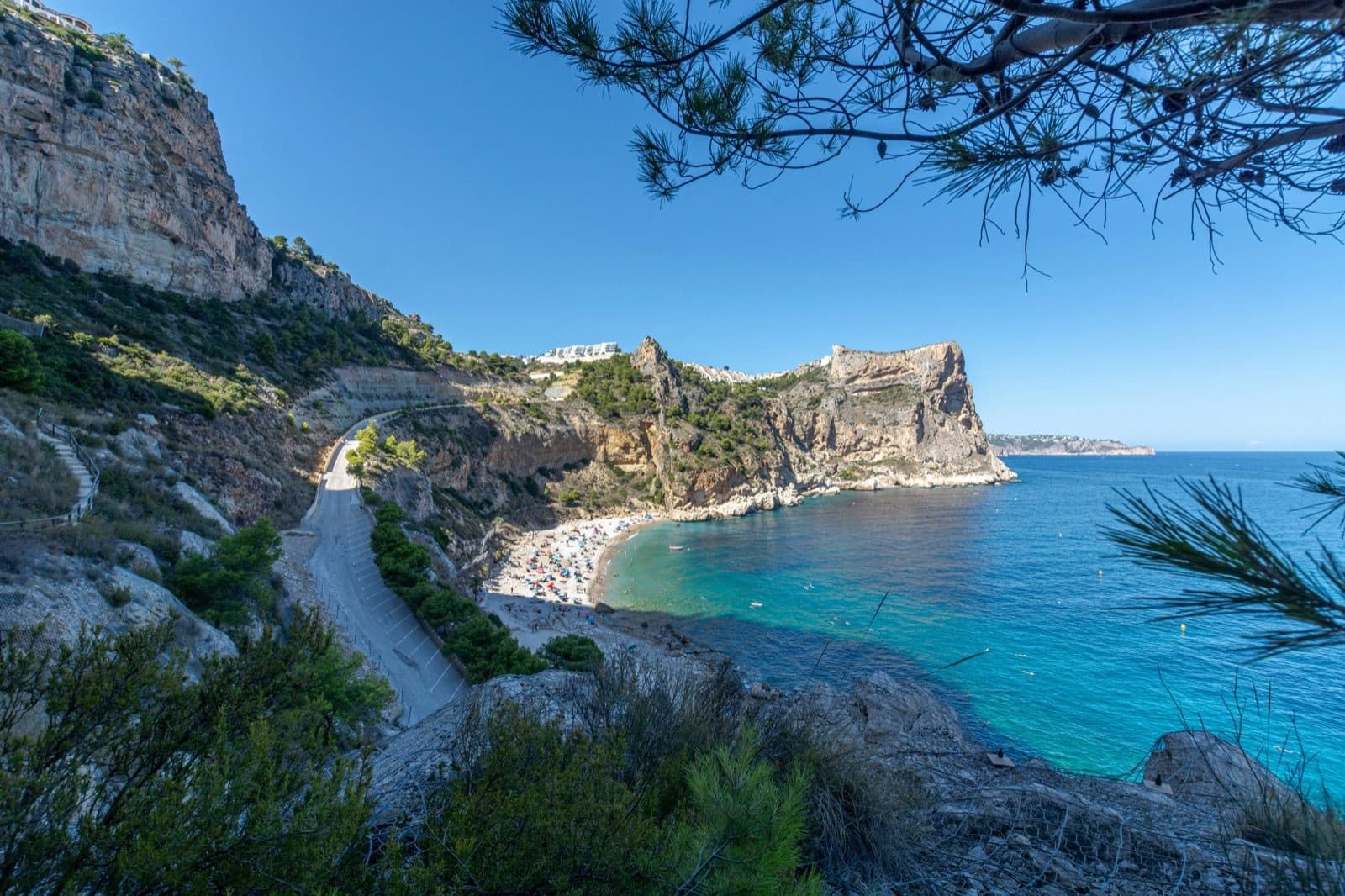
Flood risk in Spain: how to check it before you buy a home
Is your Spanish dream home in a flood zone? The risk is location-specific and can be checked in advance, right down to street level. Here’s how to check it yourself, region by region, and how your insurance works.
Questions about your situation?
The knowledge base gives you the general picture. For your specific situation our consultants are happy to help, with no obligations.