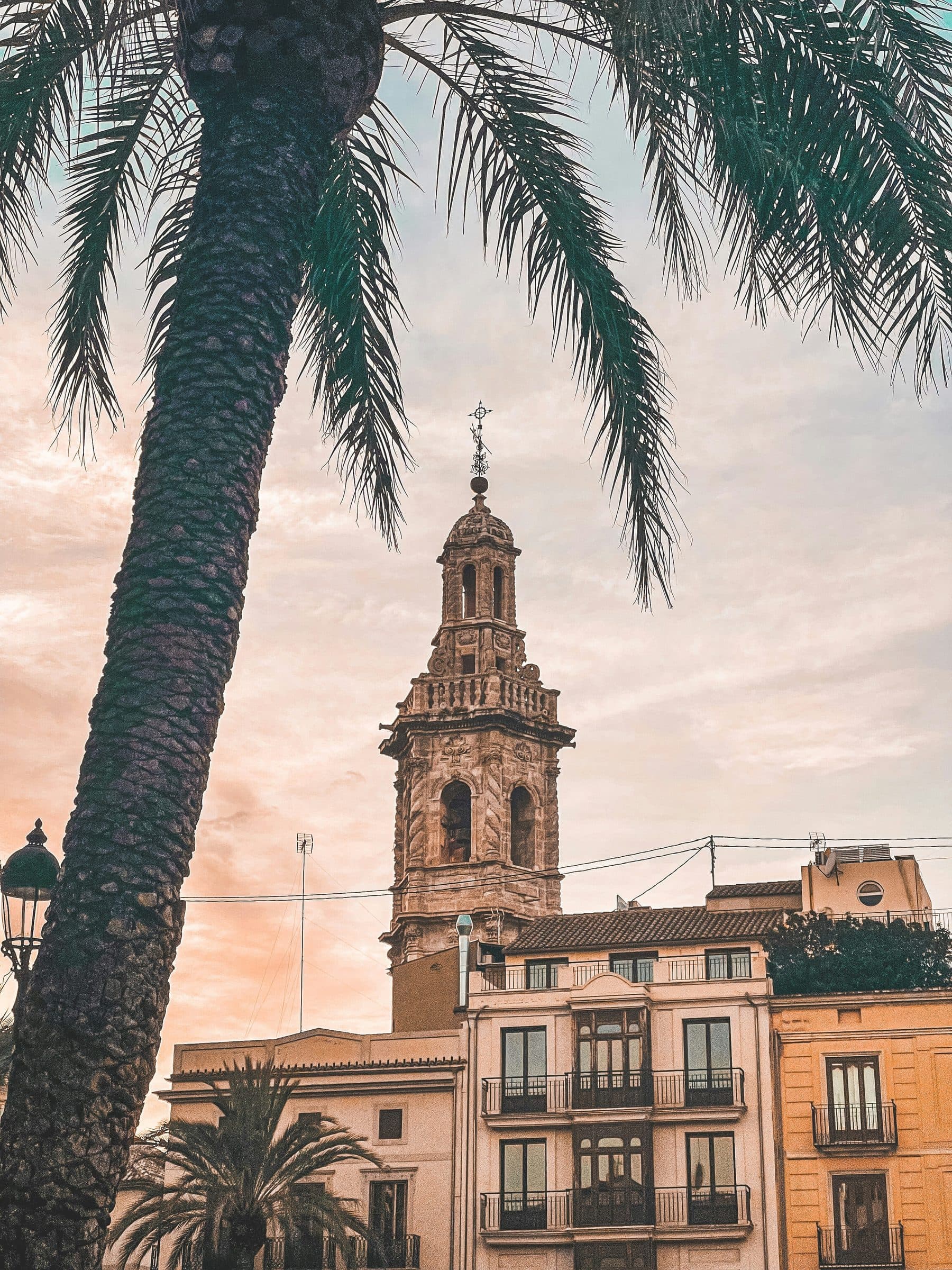
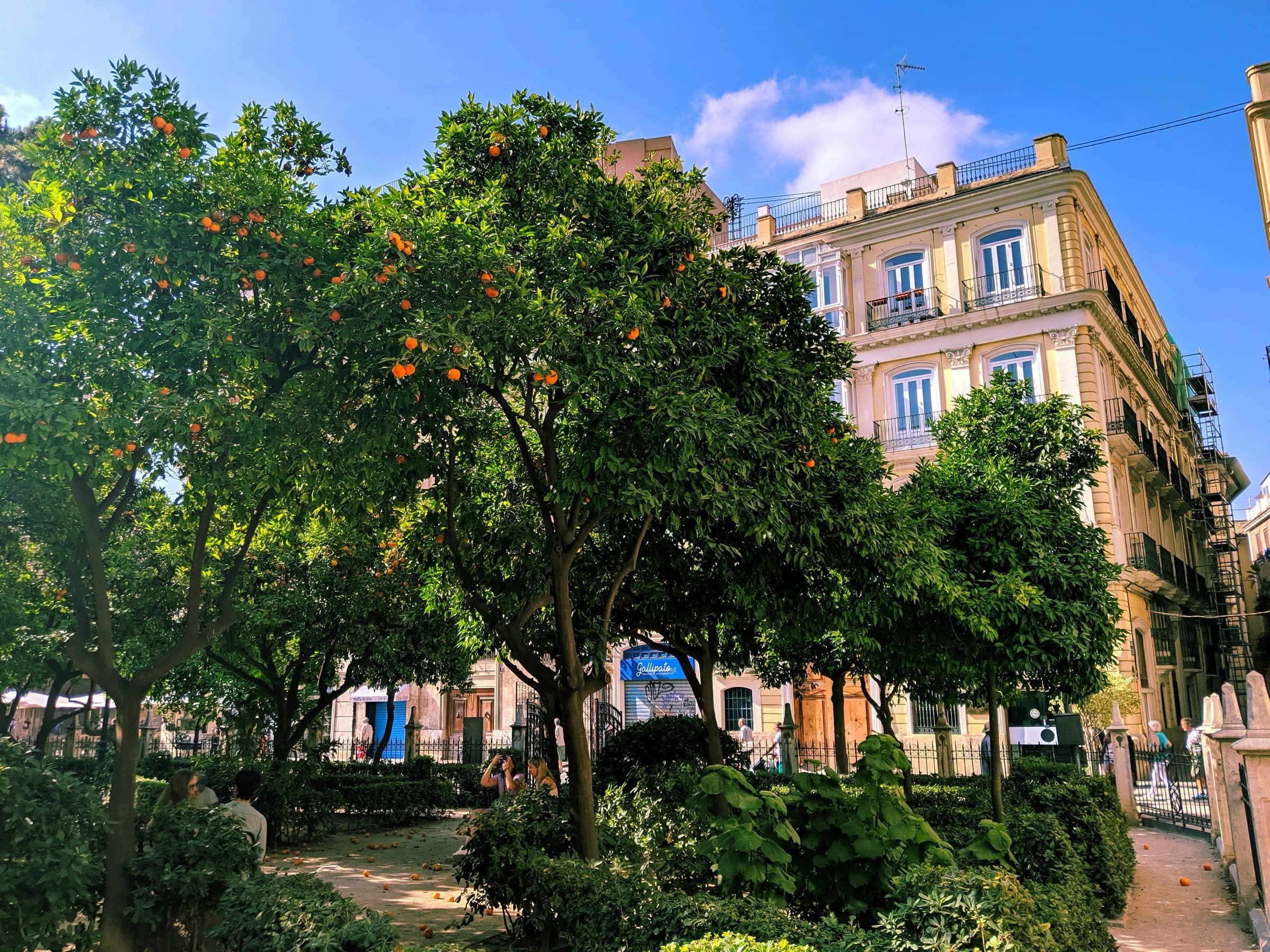
01Modernist facades, market halls, the cultural centre of gravity; Ruzafa as the liveliest neighbourhood.
City people, culture lovers, anyone who wants everything within walking distance.
City apartments, renovated buildings, grand señorial floors.
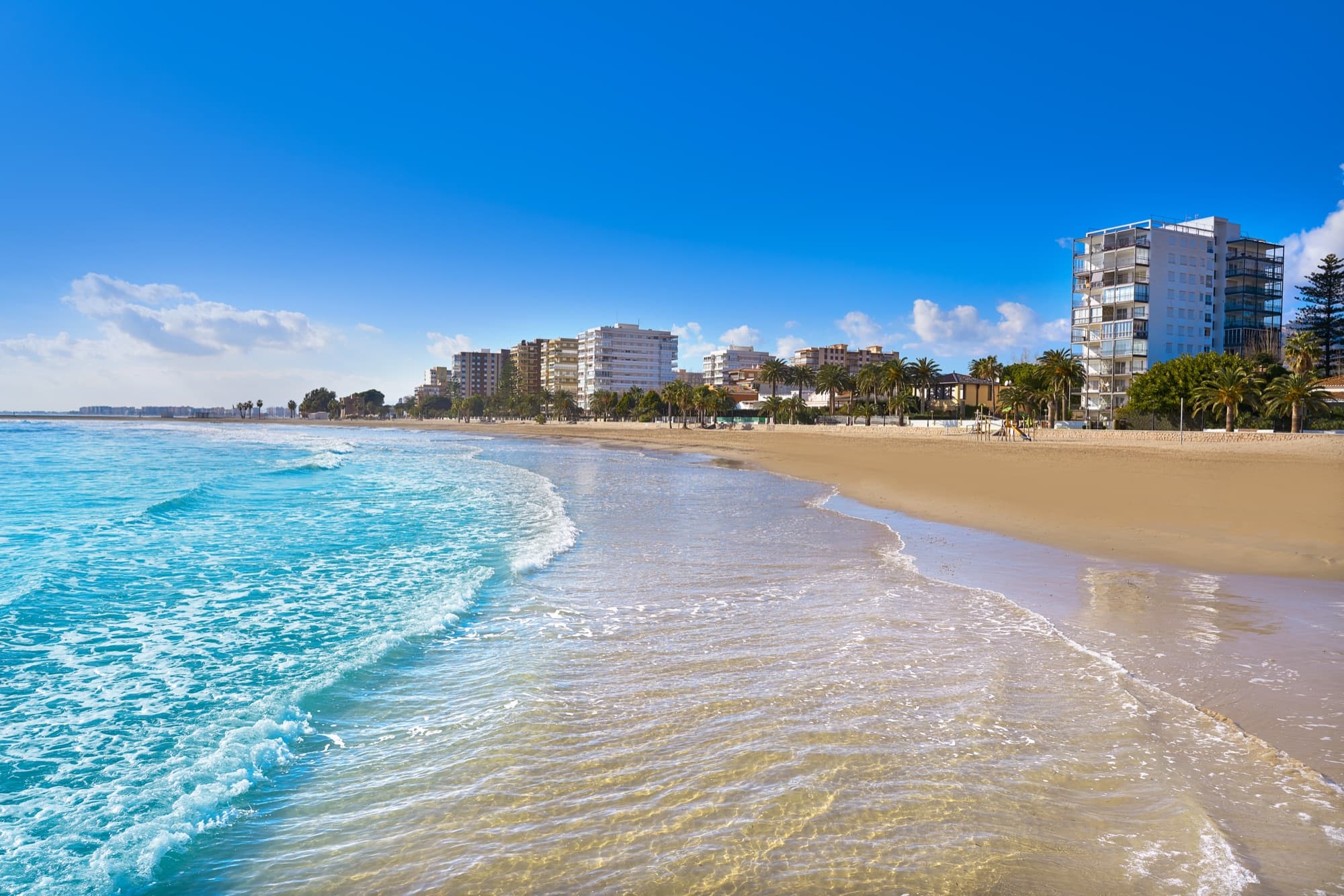
Spain's third city, with the beach a bike ride from the historic centre and a nine-kilometre park as its green artery. City and sea, without having to choose. We guide you through every side of the purchase.

City and beach are not a choice here Valencia is the only major Spanish city where a fifteen-minute bike ride takes you from the historic centre to the city beach. The culture, restaurants and amenities of a metropolis, with the Mediterranean as your back garden.
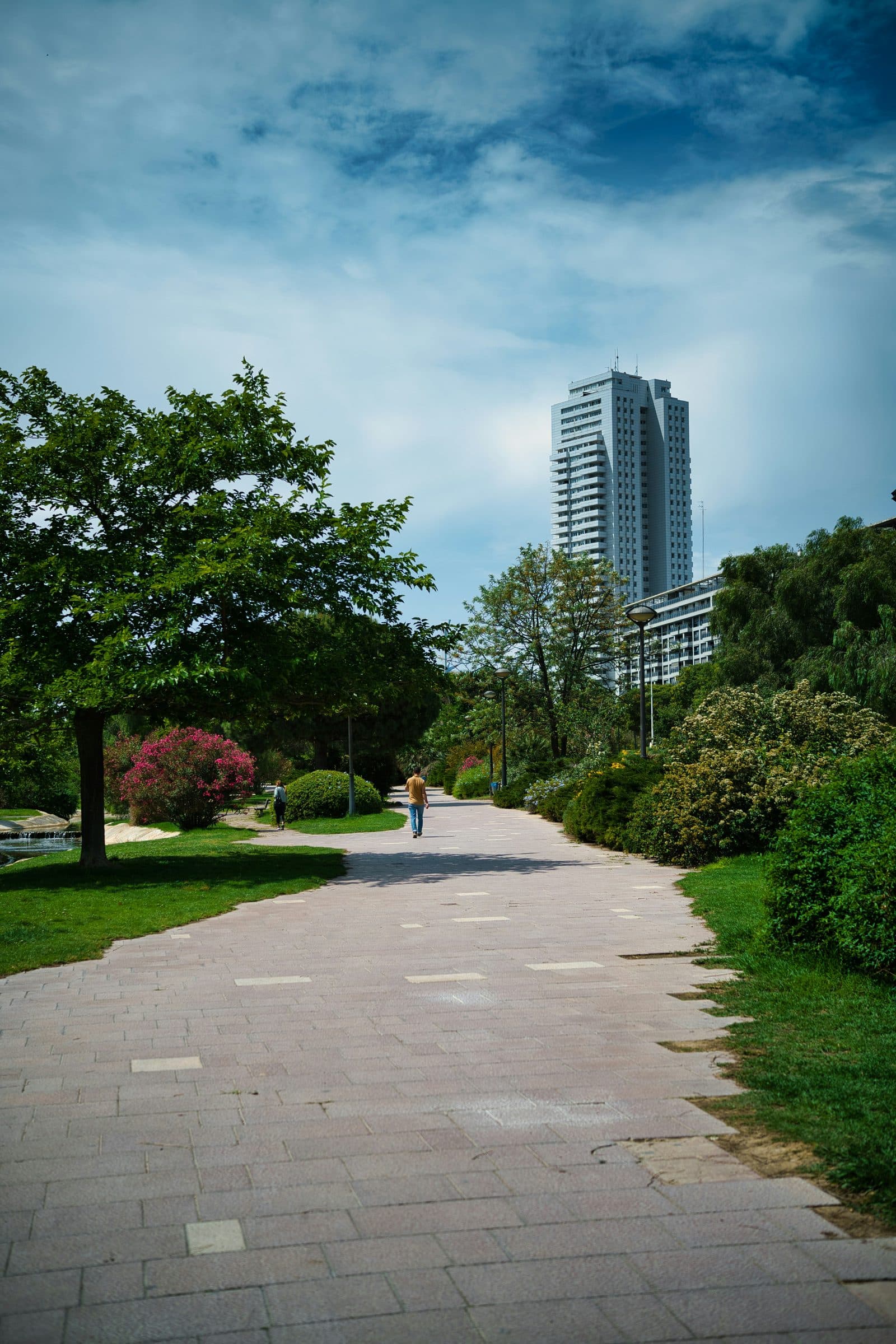
The Turia park changes how you live The drained riverbed forms nine continuous kilometres of park, running right through the city. Valencians run, cycle and picnic there all year; for many buyers this is the very reason to want to live here.
The climate holds its own against the Costas Around 2,760 hours of sunshine, mild winters where the temperature rarely drops below 10 degrees, and a sea that stays swimmable well into October.
Big-city connectivity The airport is practically in the city, with several direct flights daily from Schiphol, Eindhoven and Rotterdam. Within Valencia you get everywhere by metro, tram and bike; a car is not a requirement in the city.
Variety within a single region From the modernist Eixample to the fishermen's houses of Cabanyal, from new-build around the Ciutat de les Arts to villas with gardens in L'Eliana. Five ways of living around one city.
Valencia is not one place, it is five. Within the city the neighbourhoods differ sharply in character, and around it lie a villa belt and a coastal belt that offer a completely different life. For most clients, one zone simply suits them better.
01Modernist facades, market halls, the cultural centre of gravity; Ruzafa as the liveliest neighbourhood.
City people, culture lovers, anyone who wants everything within walking distance.
City apartments, renovated buildings, grand señorial floors.
02A former fishing quarter in full revival, with the city beach on the doorstep.
Beach lovers, anyone who chooses character and sea air over polish.
Apartments, renovated fishermen's houses, new-build along the promenade.
03Spaciously laid-out new-build districts around the city's architectural icon.
Families, anyone who wants new-build comfort and parking near the city.
New-build apartments with a pool, penthouses.
04Green suburbs with gardens and pools, international schools around the corner, metro to the centre.
Families with children, anyone who wants space without letting go of the city.
Villas, chalets with gardens, townhouses.
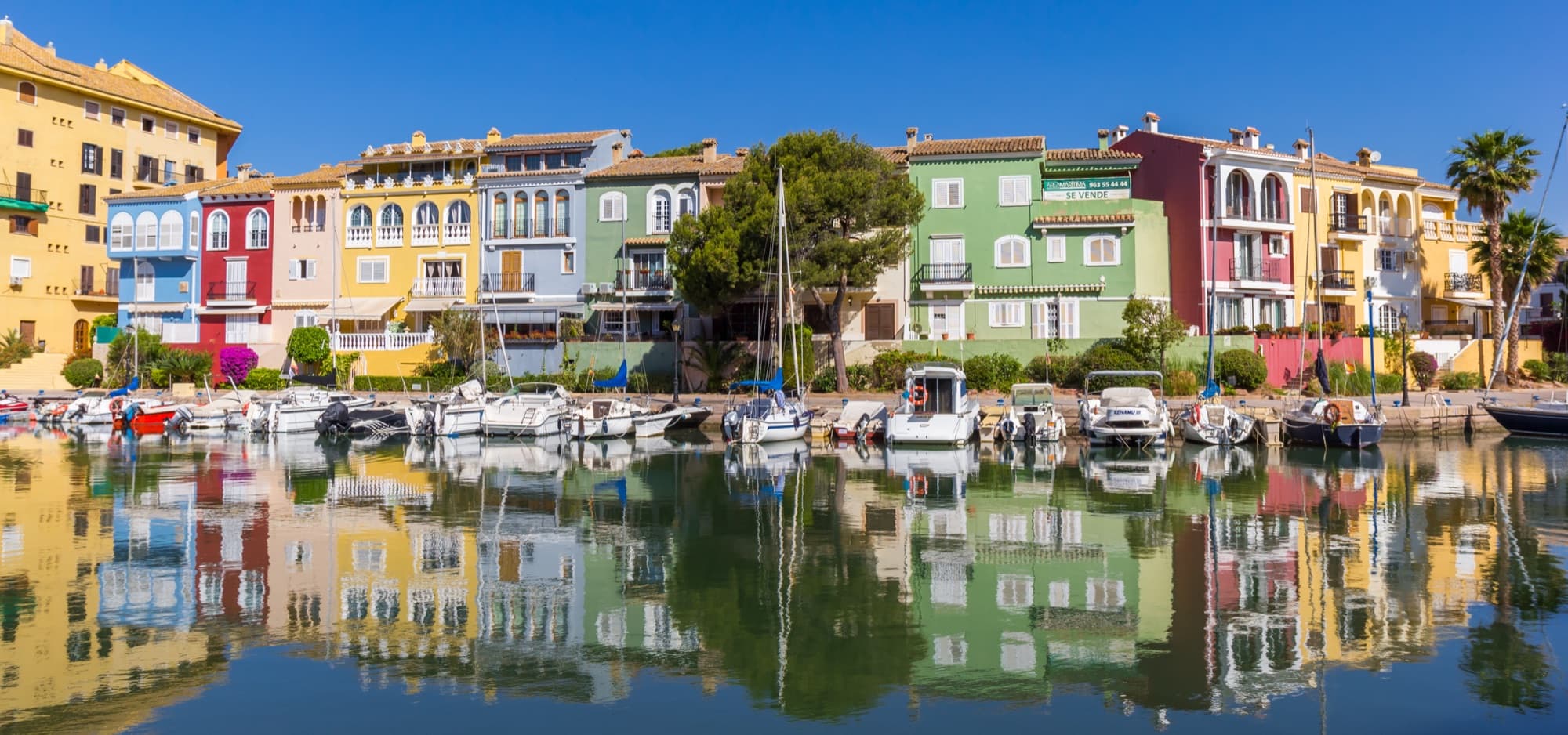
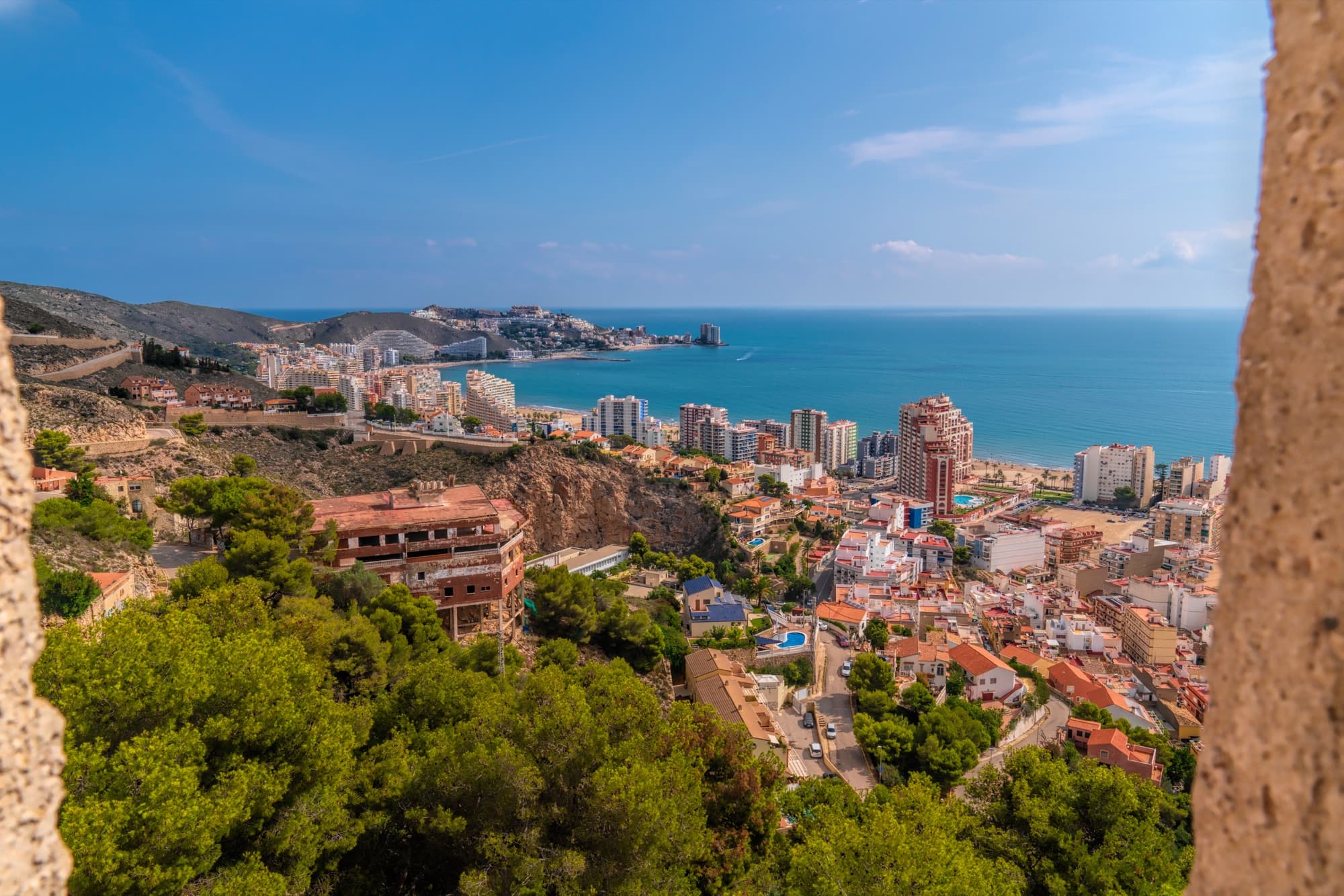
05Beach villages and small marinas 15 to 25 minutes from the city, quieter and more spacious.
Anyone who wants beach life with the city within reach.
Seafront apartments, townhouses, villas inland.
Tell us what matters to you (buzzing or quiet, garden or terrace, school or beach) and we'll put together a first recommendation by zone.
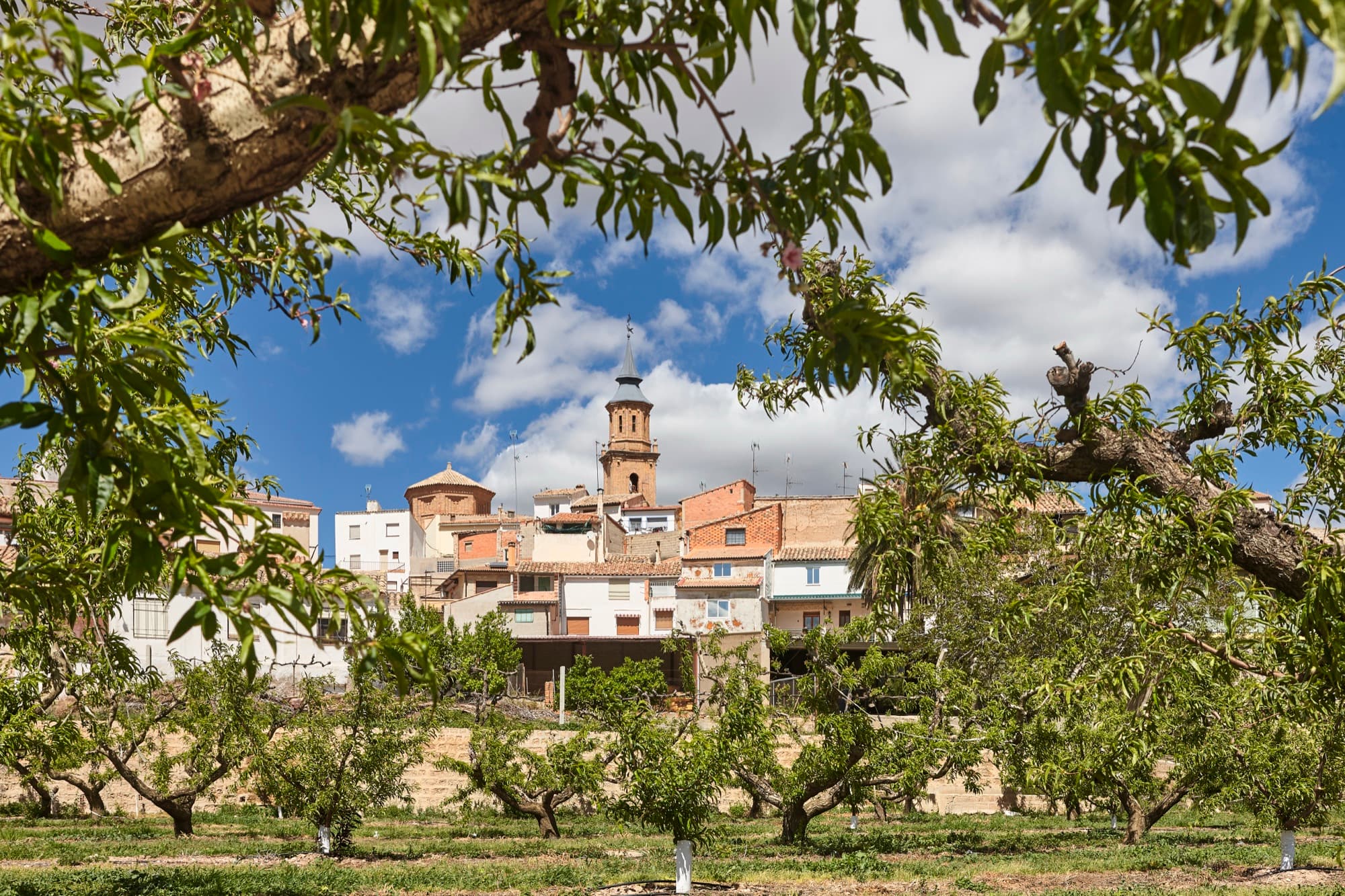
The towns and villages of this region will appear here soon.
Valencia has a classic Mediterranean city climate: around 2,760 hours of sunshine, mild winters and a rainfall total of just over 450 millimetres that falls almost entirely outside summer. The monthly figures below are long-term averages for the city.
Averaged across the city; even in winter you get six hours of sun a day, and terraces run all year.
October is the wettest month; in July almost nothing falls. The showers are short and heavy, not grey weeks.
The sea breeze tempers the city in summer, though the air here is more humid than on the dry south coast: 30 degrees feels stickier in August than in Torrevieja.
Not the heat of August, not the crowds of Las Fallas in March. You see the city at its ordinary pace, and that is exactly what you want to judge.
Valencia airport (VLC) lies around ten kilometres from the centre; by metro you're there within half an hour. KLM flies direct twice daily from Schiphol, alongside Transavia, easyJet and Vueling, also from Eindhoven and Rotterdam.
From Northern Europe roughly 18 to 19 hours' drive via France and Barcelona. With one overnight stop it's comfortably done in two days. The AP-7 is toll-free on this stretch.
The AVE takes you from Valencia to Madrid in around 1 hour and 40 minutes, connecting to the European high-speed network; towards Barcelona you travel along the coast.
Metro, tram and a dense cycle network make a car unnecessary in the city. The villa belt and the coastal belt connect to the centre by metro and cercanías.
Valencia attracts a different crowd than the Costas: younger, more often working or running a business, more often with school-age children. In recent years the city has grown into one of the most popular European cities to move to.
International business networks connect entrepreneurs and professionals in the city; alongside them there are active informal networks of international families.
At the same time Valencia remains a truly Spanish city: here the international community is a layer within city life, not a separate world alongside it.

Officially registered in the city and surrounding municipalities.
A network of international entrepreneurs and professionals, active since that year.
International business networks, plus informal international family networks.
International products widely available in the city; the Mercat Central and the neighbourhood markets are the real grocery life.
As Spain's third city, Valencia has a complete international offering: British, American, French and German curricula, concentrated in the northern belt around Puçol and in the villa zone near La Cañada.
The Spanish public system here is bilingual Spanish-Valencian, just as on the Costa Blanca: a fully viable route for young children, something to weigh carefully for those joining later.
The choice depends on how long you're coming for and what you want for your child; in this region the school zone often determines the living zone. We're happy to help think through the school choice as part of choosing your zone.
School fees range from €0 (public) to a higher amount per year (private international). We connect you with an education adviser when the choice gets complex.
The Spanish healthcare system has two parts: the public SNS and a broad private sector. The SNS is free for those with an EU pension or work rights, and of European-level quality. Waiting times for non-urgent specialist care can be longer; that's why a large group of foreigners opt for a supplementary private policy.
Valencia is an academic healthcare city: the public La Fe is among Spain's largest hospitals, and privately you have Quirónsalud Valencia, IMED Valencia and Vithas, among others. Specialist care that on the Costas means driving to the city is right around the corner here.
For pensioners with an EU state pension, the S1 form applies: you keep your healthcare rights in Spain, and your home-country health insurance need not continue.
A broad picture to calibrate expectations. In April 2026 Valencia recorded an all-time high of €3.359 per m² on average (idealista, +12,3% year on year), with the Eixample above €5.000 per m² and new-build city-wide around €4.300 per m² (Q1 2026). Within every range there are large differences; we give you a refined estimate per search profile.
Prices exclude ITP (9% in the Valencia region as of 1 June 2026; 11% above €1 million) or, for new-build, 10% VAT plus 1,4% AJD; on top of that notary and registration (together 1 to 2%).
Updated quarterly based on market data and our own transactions.
Off-market listings may fall below or above this range.

I grew up in the Netherlands and now live in Valencia. I guide buyers of a home in Valencia and its surroundings, and investors in Valencia and Alicante. My strength lies in combining market knowledge with a level-headed view of what a property or investment is really worth to you.
My quiet listings come through a network of selling agents, developers and lawyers, often before they reach the market. Valencia is, in my view, the most beautiful city in Spain: big, yet it feels small, easy-going and safe.
Property is feeling and reason at once.
For us, Valencia is the urban area between the Costas. Four brief side-by-side comparisons.
City and sea, year-round living, the most urban offering in our area.
Villages and bays an hour's drive south, greener and quieter.
Flatter and more affordable beach life, with a strong international presence.
The other big city-by-the-sea option: Málaga and the fashionable west coast.
The questions we get most about living in Valencia. Missing something? Ask our regional expert directly.
Start with accessibility: can the region be reached in a single day by car, and how many flights are there in winter? Then look at the climate and the character of the surroundings, because a rural village, a lively city and a holiday resort feel completely different. Also decide how much time you want to spend there and with whom: if you're emigrating with children, schools matter, whereas if you're wintering as a retiree, climate and international care weigh more heavily. We think this through with you based on your situation.
An hour with our regional expert gives you more concrete information than ten hours of Google. You'll hear what fits, what doesn't, and which neighbourhood suits your situation.